
EMBRACE partners discuss Next Phase of Maternal and Newborn Care for Gombe State
Improving maternal and newborn health begins with understanding the realities women, newborns, families, healthcare providers and health systems face. But identifying these challenges is only the beginning. The greater task is turning evidence into practical solutions that can strengthen care and improve outcomes.
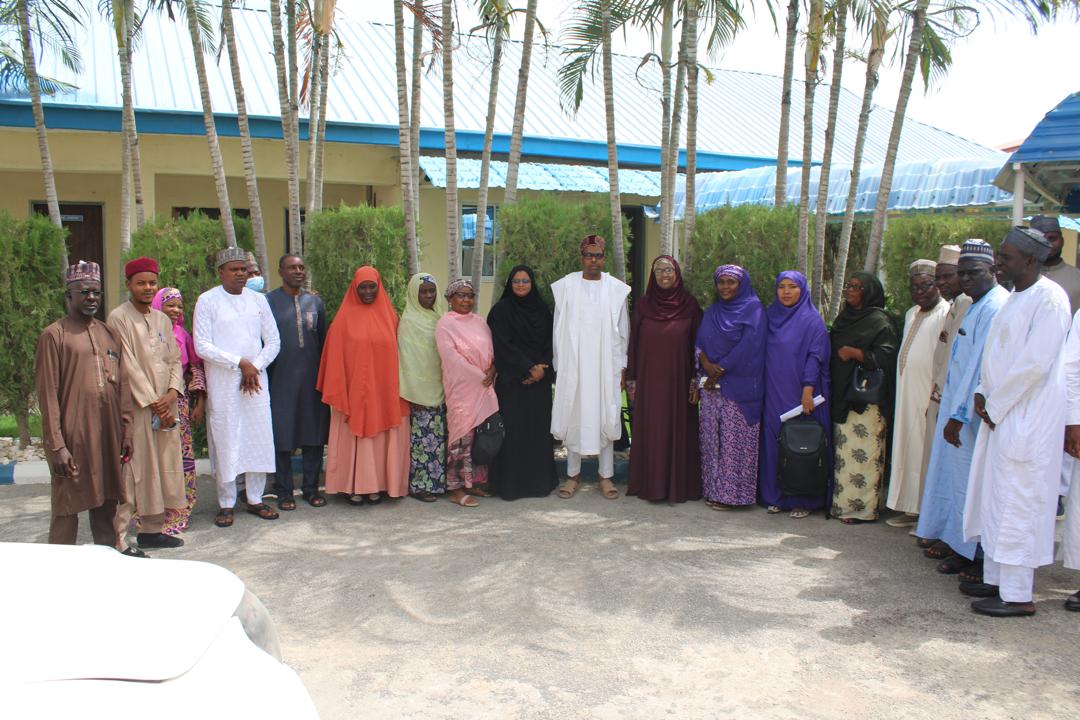
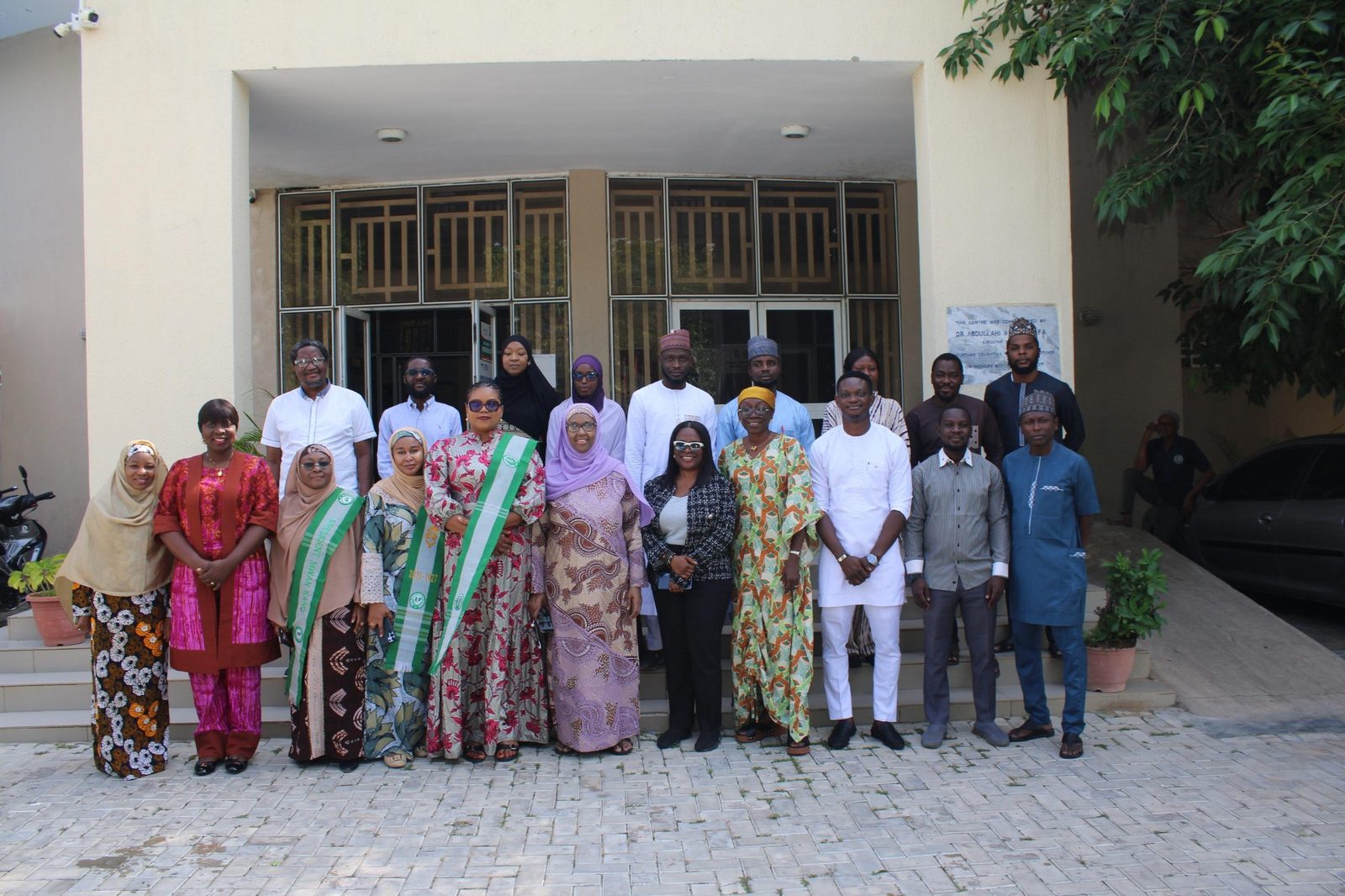
This was at the heart of the EMBRACE Nigeria Partners Meeting, held in Abuja from 22–25 September 2026, where partners and key stakeholders came together to reflect on progress, learn from emerging evidence and collectively shape the next phase of implementation.
The meeting brought together members of the EMBRACE consortium and key stakeholders, including the Africa Centre of Excellence for Population Health and Policy (ACEPHAP), Bloomberg Philanthropies, TAConnect, the CDC Foundation, and the Gombe State Ministry of Health.
For ACEPHAP and TAConnect, the meeting provided an important opportunity to reflect on progress during the first year of the project and examine findings from the landscape assessment, co-creation activities, facility readiness assessment and formative qualitative study.
According to Prof. Hadiza Galadanci, the director of ACEPHAP who led the center’s delegation, “the assessments provides a deeper understanding of the realities within the maternal and newborn health system, bringing perspectives from healthcare providers, clients, communities and health facilities into the conversation.”
Partners worked collaboratively across six priority areas: Human Resources for Health, Emergency Referral Systems, Infrastructure, Equipment, Commodities and Drug Systems, Quality Improvement, and Continuum of Care. These discussions focused on identifying practical and actionable solutions that respond to the realities uncovered during the first year of implementation.
Rather than approaching maternal and newborn health challenges in isolation, the conversations recognized the interconnected nature of the health system. From the availability of skilled health workers and essential commodities to referral pathways, infrastructure, quality of care and continuity of services, each component plays a role in shaping the experience and outcomes of mothers and newborns.
The meeting therefore provided a space for partners to answer important questions from the results from the evidence assessment from the formative qualitative study on aspects of barriers that continue to affect care, the solutions are feasible within the health system and how the solutions can be sustained beyond the life of the project.
At the center of the discussions was a shared ambition for EMBRACE to contribute to a health system where women and newborns receive patient-centered, trusted and high-quality care across the continuum of care.
For partners, the Year 1 evidence provides an important foundation for the next phase of the project, helping to ensure that implementation remains responsive to the needs identified within communities and health facilities.
On Friday, 25 September 2026, the EMBRACE consortium also visited the Department of Family Health, Federal Ministry of Health and Social Welfare, Abuja. The engagement provided an opportunity to share the EMBRACE approach and Year 1 progress, while exploring areas of alignment with national RMNCH+N priorities.
EMBRACE moves into its next phase and the commitment remains clear: to turn evidence into action, strengthen health systems and contribute to better experiences and outcomes for mothers and babies.
You can join the conversation on:
- Instagram: @acephap_buk
- LinkedIn: @acephap
- Facebook: @acephap
- X/Twitter: @acephap_buk
- Log in to post comments